
by marrakechsandtours
Share
by marrakechsandtours
Share
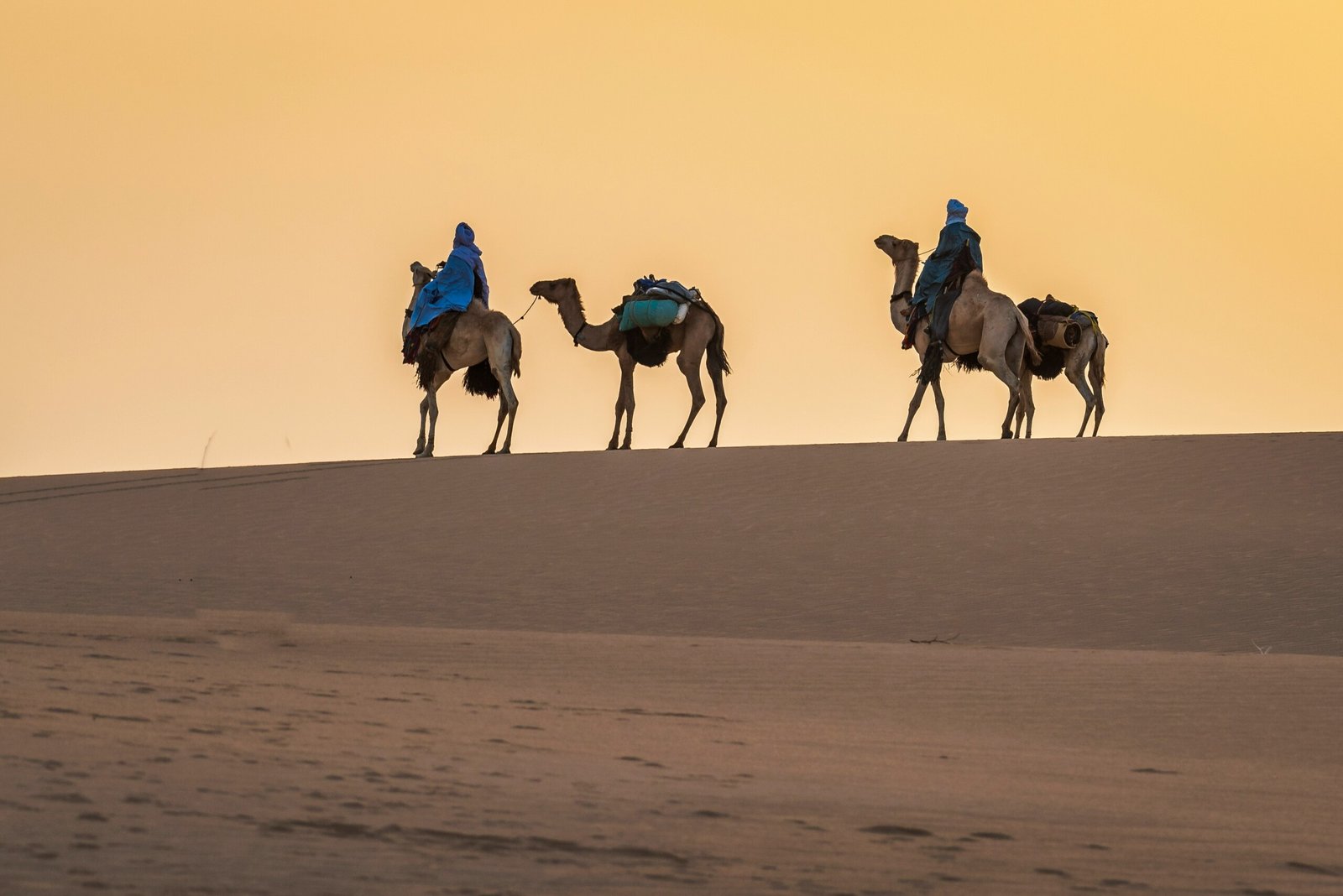
Marrakech to Merzouga in 3 Days: What to Expect on Your Sahara Desert Tour
For many travelers, the Sahara is the reason they come to Morocco. The golden dunes of Erg Chebbi near Merzouga are one of the most memorable sights in the country, and the most popular way to reach them is a 3-day desert tour from Marrakech.
But what does three days on the road actually look like? How long are the drives, where do you sleep, and is it worth it? Here’s a practical guide to help you plan.
The Route at a Glance
Merzouga sits on the edge of the Sahara, roughly 560 km east of Marrakech. That’s a long way, which is why the journey is split across two days on the way there, with stops at some of southern Morocco’s most beautiful places. Your route crosses the High Atlas Mountains, passes through ancient kasbahs and palm oases, and ends with a camel ride into the dunes.
Day 1: Marrakech → Tizi n’Tichka Pass → Aït Ben Haddou → Ouarzazate → Dades Valley
Day 2: Dades Valley → Todra Gorge → Erfoud → Merzouga (camel ride and desert camp)
Day 3: Sunrise over the dunes → return to Marrakech via the Draa Valley
Day 1: Over the Atlas to the Valley of Roses
You leave Marrakech in the morning and climb into the High Atlas on the winding Tizi n’Tichka road, which reaches about 2,260 meters at its highest point. Expect sweeping mountain views, Berber villages clinging to the slopes and plenty of photo stops along the way.
On the other side of the mountains lies Aït Ben Haddou, a fortified village of earthen houses listed as a UNESCO World Heritage Site. It’s one of the most photographed places in Morocco and has appeared in many well-known films. You’ll have time to walk through its narrow lanes and climb to the top for a view over the valley.
After passing through Ouarzazate, the “gateway to the desert,” you continue into the Dades Valley, where you spend the night in a guesthouse surrounded by dramatic rock formations.
Day 2: Gorges, Oases and the First Sight of the Dunes
The second morning takes you to the Todra Gorge, where sheer canyon walls rise high above a clear stream. It’s a peaceful place for a short walk before continuing east through palm groves and small desert towns.
In the afternoon, the landscape starts to change. The rocky plains give way to sand, and suddenly the orange dunes of Erg Chebbi appear on the horizon. In Merzouga, you swap the vehicle for a camel and ride into the dunes as the sun goes down.
Your night is spent in a desert camp. Dinner is usually a traditional tagine, followed by tea, Berber drumming around the fire and a sky full of stars far from any city lights. For many travelers, this evening is the highlight of the whole trip.
Day 3: Sahara Sunrise and the Road Back
Wake early to climb a dune and watch the sunrise. Seeing the sand turn from grey to gold is worth the early alarm. After breakfast, you ride back to Merzouga and begin the return to Marrakech.
This is a long driving day, so it helps to know that in advance. A good driver will plan comfortable breaks for lunch, coffee and photos, often returning through the Draa Valley for a different view than on the way out.
Is 3 Days Enough?
Three days is enough to experience the desert, the mountains and the kasbahs, and it’s the best option if your time in Morocco is short. The trade-off is time spent in the vehicle.
If you’d like a slower pace, consider a 4-day tour ending in Fes, which avoids driving back the same way, or a 5-day tour with an extra night that gives you more time in the Dades Valley and the dunes.
Best Time to Go
- March to May and September to November: The most comfortable months, with warm days and cool evenings.
- June to August: Very hot during the day in the desert. Tours still run, but early mornings and evenings are the best times to be outside.
- December to February: Sunny days but cold nights, especially in the desert camp and in the mountains. Pack warm layers.
What to Pack
- Comfortable clothes in layers, plus a warm jacket for evenings
- A scarf or light headwrap to protect against sun and sand
- Sunglasses, sunscreen and a hat
- Comfortable shoes or sandals for the dunes
- A small overnight bag for the camp, so you can leave your main luggage in the vehicle
- A power bank and camera
Why Choose a Private Tour?
All Marrakech Sand Tours journeys are private. That means it’s just you, your travel companions and your own driver. You choose when to stop for photos, how long to stay at each place and the pace of each day. It’s especially comfortable for families, couples, seniors and photographers who don’t want to follow a group schedule.
Ready to See the Sahara?
If you’d like to plan your 3-day desert tour from Marrakech, our team is happy to help with dates, camp options and any questions you have.
Message us on WhatsApp: +212 671 260 355
Or email: marrakechsandtours@gmail.com
STAY IN THE LOOP
Subscribe to our free newsletter.
Leave A Comment
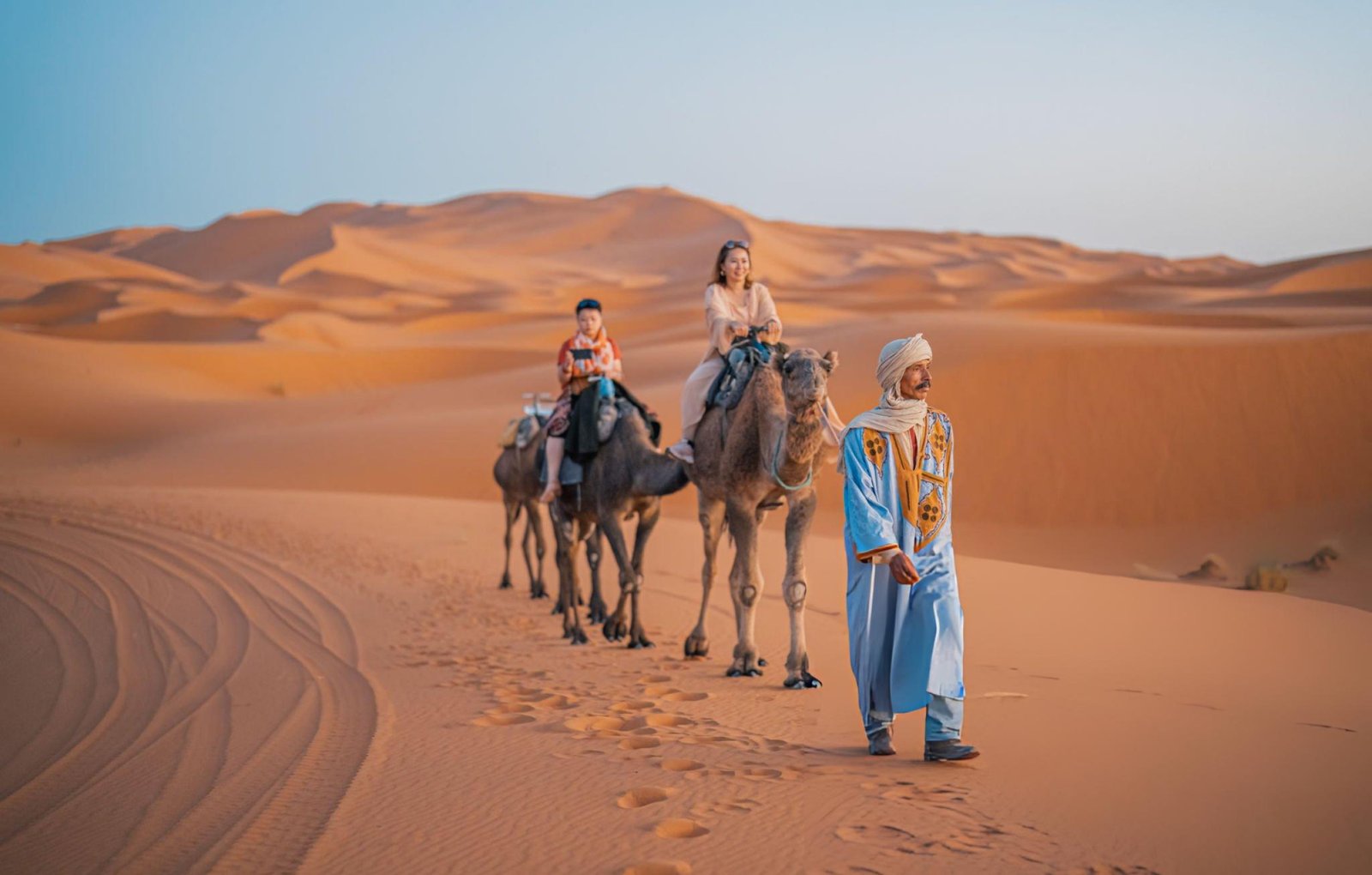
Morocco for Couples: A Romantic Guide to Traveling Together Candlelit courtyards, rooftop dinners above the medina, a private camp in the dunes with nothing but stars overhead. Morocco has a way of turning ordinary moments into lasting memories, which is why it has become one of the most popular destinations for honeymoons, anniversaries and romantic
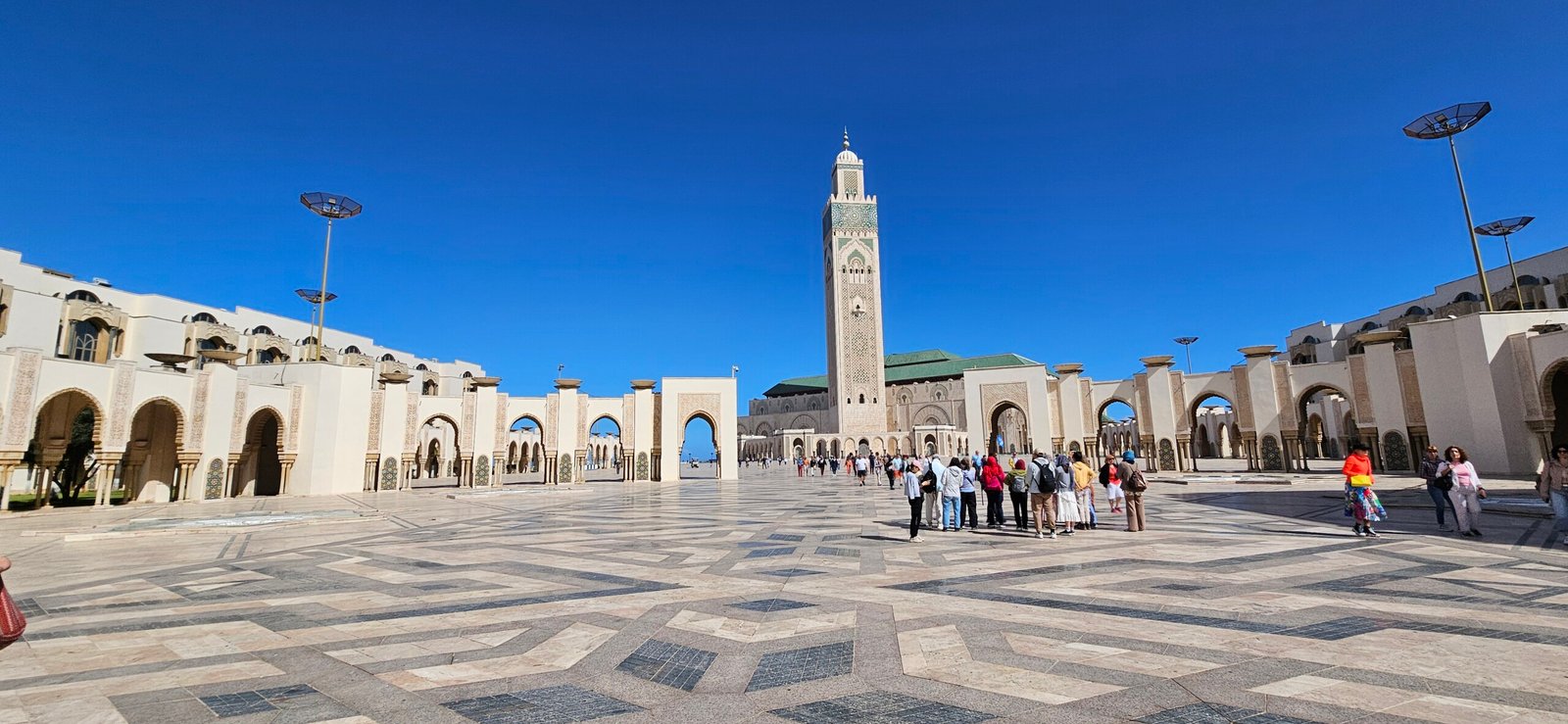
The Perfect 2-Week Morocco Itinerary from Casablanca Two weeks is the sweet spot for Morocco. It’s long enough to see the four imperial cities, spend a night in the Sahara, cross the High Atlas and finish with the sea breeze in Essaouira, without rushing from one hotel to the next. Casablanca is the natural starting
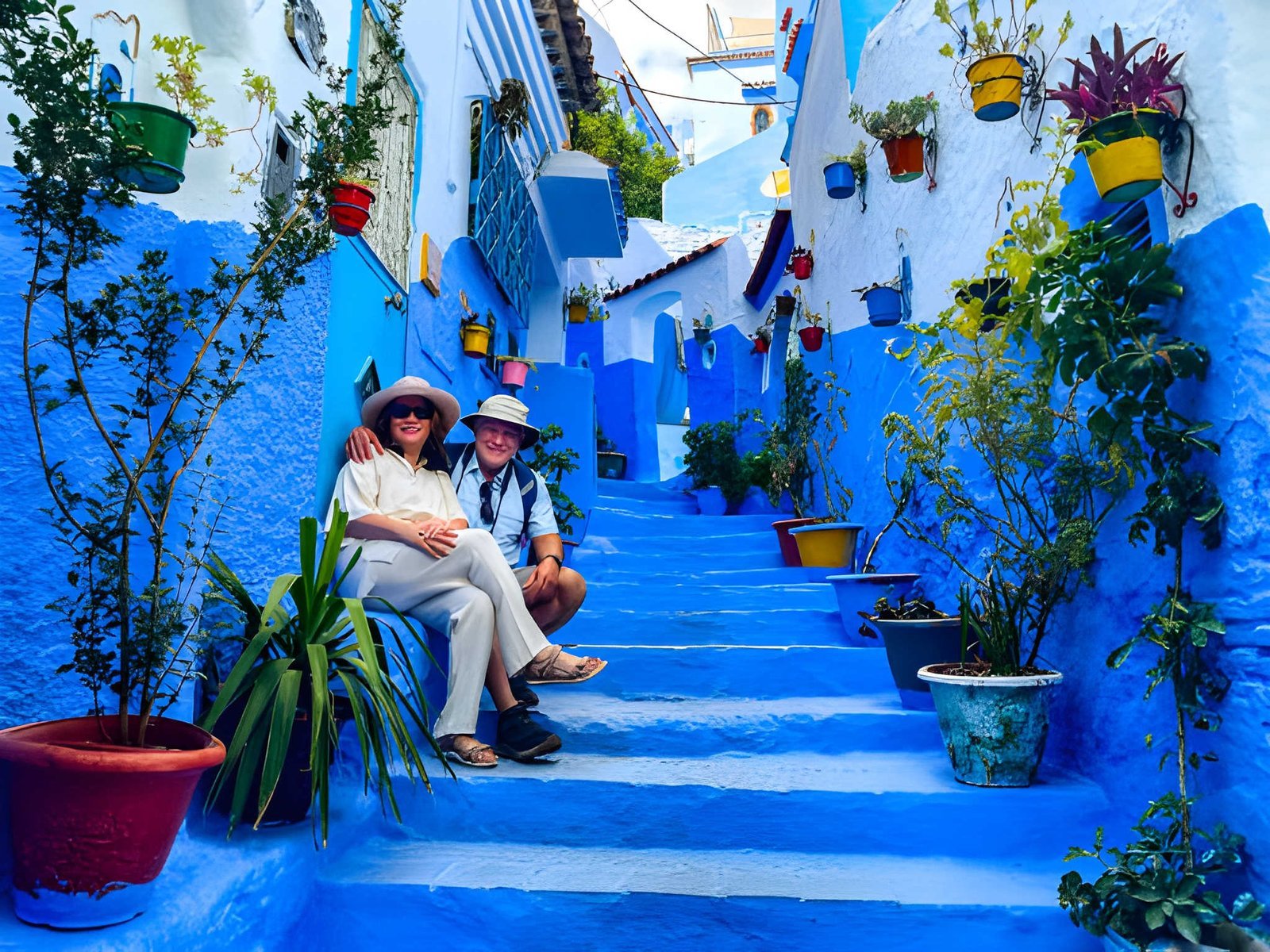
Morocco for Seniors: A Relaxed, Comfortable Guide to Traveling Morocco After 60 Morocco has a reputation for being intense: crowded medinas, long desert drives, haggling in the souks. Some of that is true. But with the right pace and the right planning, Morocco is one of the most rewarding destinations for travelers over 60. The