
by marrakechsandtours
Share
by marrakechsandtours
Share
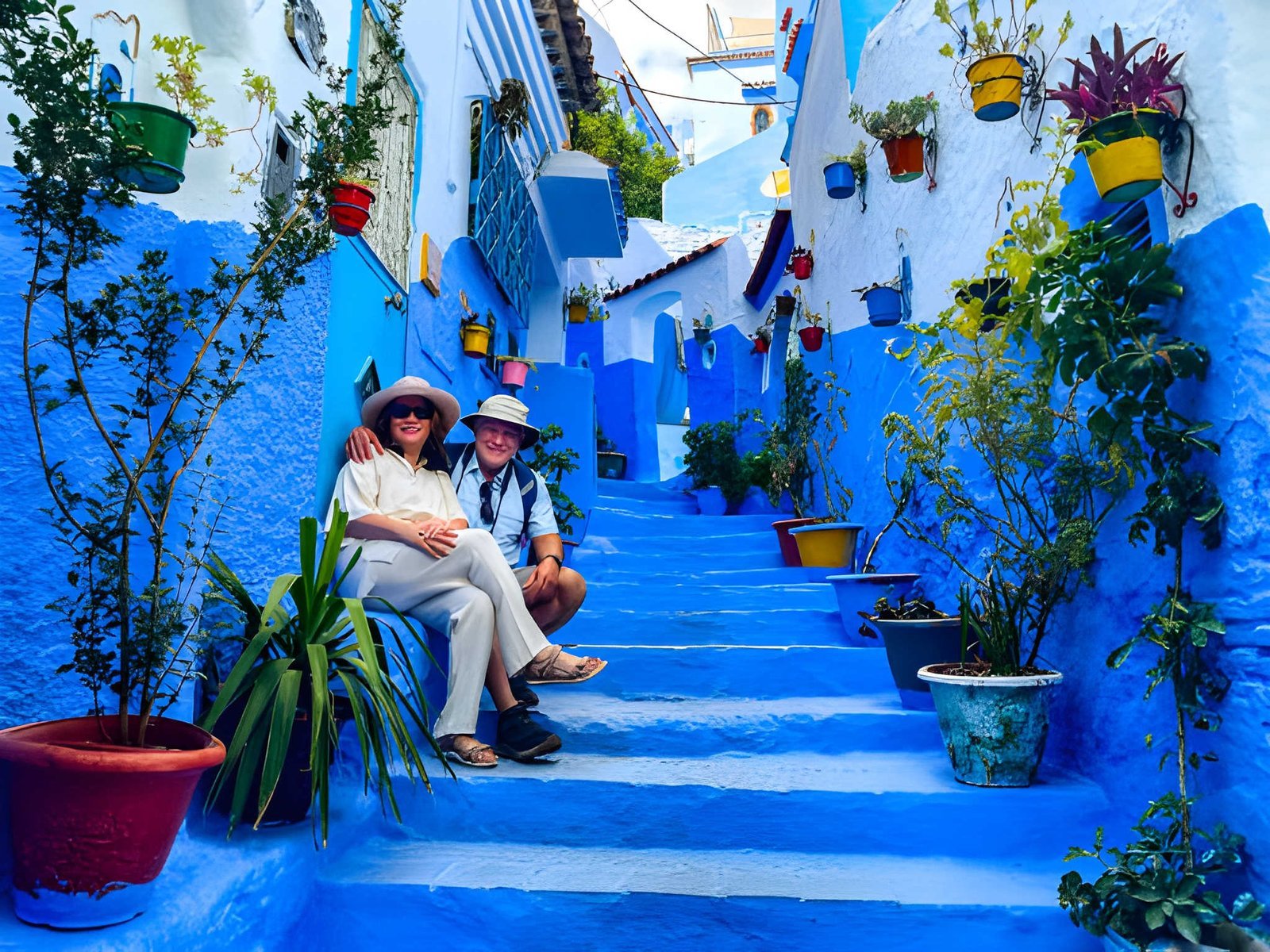
Morocco for Seniors: A Relaxed, Comfortable Guide to Traveling Morocco After 60
Morocco has a reputation for being intense: crowded medinas, long desert drives, haggling in the souks. Some of that is true. But with the right pace and the right planning, Morocco is one of the most rewarding destinations for travelers over 60. The history is deep, the food is generous, the hospitality is genuine, and almost everything that feels overwhelming on a rushed group tour becomes a pleasure when you slow down.
This guide covers what senior travelers ask us most: when to go, how to pace the trip, where to stay, what to watch for health-wise, and how to see the Sahara without wearing yourself out.
Why Morocco Works Well for Older Travelers
It’s close and easy to reach. From most of Europe, Marrakech is a three to four hour flight. Even from North America, it’s one connection away, with no extreme time difference to recover from once you’re in Europe.
The culture rewards curiosity, not stamina. The best of Morocco is found sitting in a riad courtyard over mint tea, watching artisans work in Fes, or talking with a Berber family in the Atlas Mountains. None of it requires hiking boots.
Respect for elders runs deep. In Moroccan culture, older people are treated with real courtesy. Many of our senior guests tell us they felt more welcomed here than anywhere else they’ve traveled.
A private driver changes everything. With your own vehicle and driver-guide, you stop when you want, rest when you need to, and never race to keep up with a group.
The Best Time for Seniors to Visit Morocco
Timing matters more for comfort than almost anything else.
- Spring (March to May) is ideal. Warm days, cool evenings, green valleys and almond blossom in the mountains.
- Autumn (late September to November) is equally good. The summer heat has gone, the light is beautiful, and the desert is pleasant during the day.
- Winter (December to February) is mild in Marrakech and on the coast, but nights in the desert and mountains can drop close to freezing. Fine if you pack layers and choose heated accommodation.
- Summer (June to August) is best avoided for inland travel. Marrakech and the desert regularly pass 40°C. If summer is your only option, focus on the coast: Essaouira and Agadir stay comfortable.
How to Pace a Morocco Trip After 60
The most common mistake we see is trying to fit too much in. Morocco is a big country, and some of the most famous routes involve long days on the road.
A few principles we build into every senior itinerary:
- Two nights minimum in each main stop. Unpacking once instead of every day makes a huge difference to how rested you feel.
- No more than four to five hours of driving in a day, broken up with tea stops, viewpoints and a proper lunch.
- Late starts. There’s no reason to leave at 7am. Breakfast slowly; the road will still be there.
- A free afternoon every few days. Some of the best memories come from unplanned hours in a café or a hammam.
- Choose depth over distance. A week spent between Marrakech, the Atlas Mountains and Essaouira can be more memorable than ten days zig-zagging the whole country.
Can Seniors Visit the Sahara Desert?
Yes, and for many of our guests it’s the highlight of the whole trip. It just needs a little thought.
Break up the drive. The journey from Marrakech to Merzouga is long. Splitting it over two days, with a night in the Dades Valley or Skoura, turns a tiring transfer into a scenic journey through kasbahs and palm groves.
The camel ride is optional. Camels are the classic way into the dunes, but mounting and dismounting can be awkward for anyone with knee, hip or back concerns. A 4×4 transfer to camp is always available and just as atmospheric when you arrive at sunset.
Choose a comfortable camp. Modern luxury desert camps have proper beds, private bathrooms with hot showers, and real dinners served under the stars. You don’t need to rough it to experience the Sahara.
Mind the mountain pass. The road over the High Atlas via the Tizi n’Tichka pass climbs to around 2,200 metres, with many curves. If you’re prone to motion sickness, mention it in advance so your driver can take it slowly and stop as often as you like.
Where to Stay: Riads, Hotels and Comfort
Morocco’s traditional riads, courtyard houses in the old medinas, are one of the great joys of a trip here. But not all of them suit every traveler.
- Ask about stairs. Many riads have narrow staircases and no lift. Request a ground-floor room, or choose a riad or hotel with an elevator.
- Check the access. Some medina riads can only be reached on foot through narrow lanes. Good riads will send a porter with a cart for your luggage, but if walking is difficult, a hotel just outside the medina walls may be easier.
- Prioritise quiet. A riad’s thick walls usually keep the bustle out, which makes for excellent sleep.
- Heating and air-conditioning should be confirmed for winter and late spring travel.
Health and Practical Tips for Senior Travelers
- Bring enough medication for the whole trip plus a few extra days, in your hand luggage, with copies of prescriptions.
- Get travel insurance that covers medical treatment and repatriation, and declare any pre-existing conditions.
- Drink bottled water and keep a bottle with you in the car, especially in the south.
- Wear sturdy, comfortable shoes. Medina lanes are uneven and can be slippery where they’re polished smooth.
- Pharmacies are everywhere in Moroccan towns, and pharmacists are knowledgeable and often speak French and some English.
- Sun protection is essential even in cooler months: hat, sunglasses and high-factor sunscreen.
- Check entry requirements for your nationality before booking, as rules can change.
Getting Around the Medinas Without Stress
The old cities of Marrakech and Fes are fascinating, but they’re also a maze. A local licensed guide turns them from confusing to captivating. They’ll keep a gentle pace, steer you away from aggressive sellers, know where to find a bench and a cold drink, and bring the history of each mosque, fountain and workshop to life.
If you want to shop, your guide can take you to reputable cooperatives where prices are fair and haggling is relaxed.
Suggested Itineraries for Seniors
7 days: Imperial Marrakech and the Atlas. Marrakech (3 nights) with a guided medina tour and gardens, a day in the Atlas Mountains with lunch in a Berber village, then two nights in seaside Essaouira before returning to Marrakech.
8 to 10 days: Marrakech to the Sahara at an easy pace. Marrakech, then the Ourika or Atlas valleys, Aït Benhaddou, a night in the Dades Valley, two nights near the dunes of Merzouga including a luxury camp, and a gentle return or onward journey to Fes.
12 days or more: The full Morocco experience. Add Fes, Chefchaouen and Rabat, with two nights in each and plenty of free time.
Every one of these can be adjusted to your interests, mobility and energy.
Why a Private Tour Is the Best Choice for Seniors
At Marrakech Sand Tours, every trip is private: just you, your travel companions, your driver and your guides. That means:
- You set the pace each day
- Stops for rest, photos or bathrooms whenever you need them
- Comfortable, air-conditioned vehicles
- Hand-picked riads and camps chosen for comfort and accessibility
- A single point of contact before and throughout your trip
We’ve designed itineraries specifically for travelers who want to see Morocco properly without rushing. Explore our Morocco Tours for Seniors or tell us what you have in mind and we’ll build a tailor-made trip around you.
Frequently Asked Questions
Is Morocco safe for senior travelers?
Morocco is generally a safe and welcoming country for visitors. Traveling with a private driver and local guide removes most of the everyday hassles, such as navigating medinas or dealing with persistent sellers.
Is Morocco too physically demanding for people over 70?
Not with the right itinerary. Many of our guests are in their seventies and eighties. The key is shorter driving days, accommodation without too many stairs, and guided visits at a gentle pace.
Do I have to ride a camel to visit the desert?
No. A 4×4 can take you directly to your desert camp, and you can still enjoy sunset over the dunes.
What is the best month for seniors to visit Morocco?
April, May, October and early November offer the most comfortable temperatures across the whole country.
Can the tour be adapted for limited mobility?
Yes. Let us know your needs when you get in touch and we’ll choose suitable accommodation, plan shorter walks and arrange extra support where needed.
Ready to plan your trip? Message us on WhatsApp (+212 671 260 355) or email marrakechsandtours@gmail.com. We’ll take care of the details so you can simply enjoy Morocco.
STAY IN THE LOOP
Subscribe to our free newsletter.
Leave A Comment
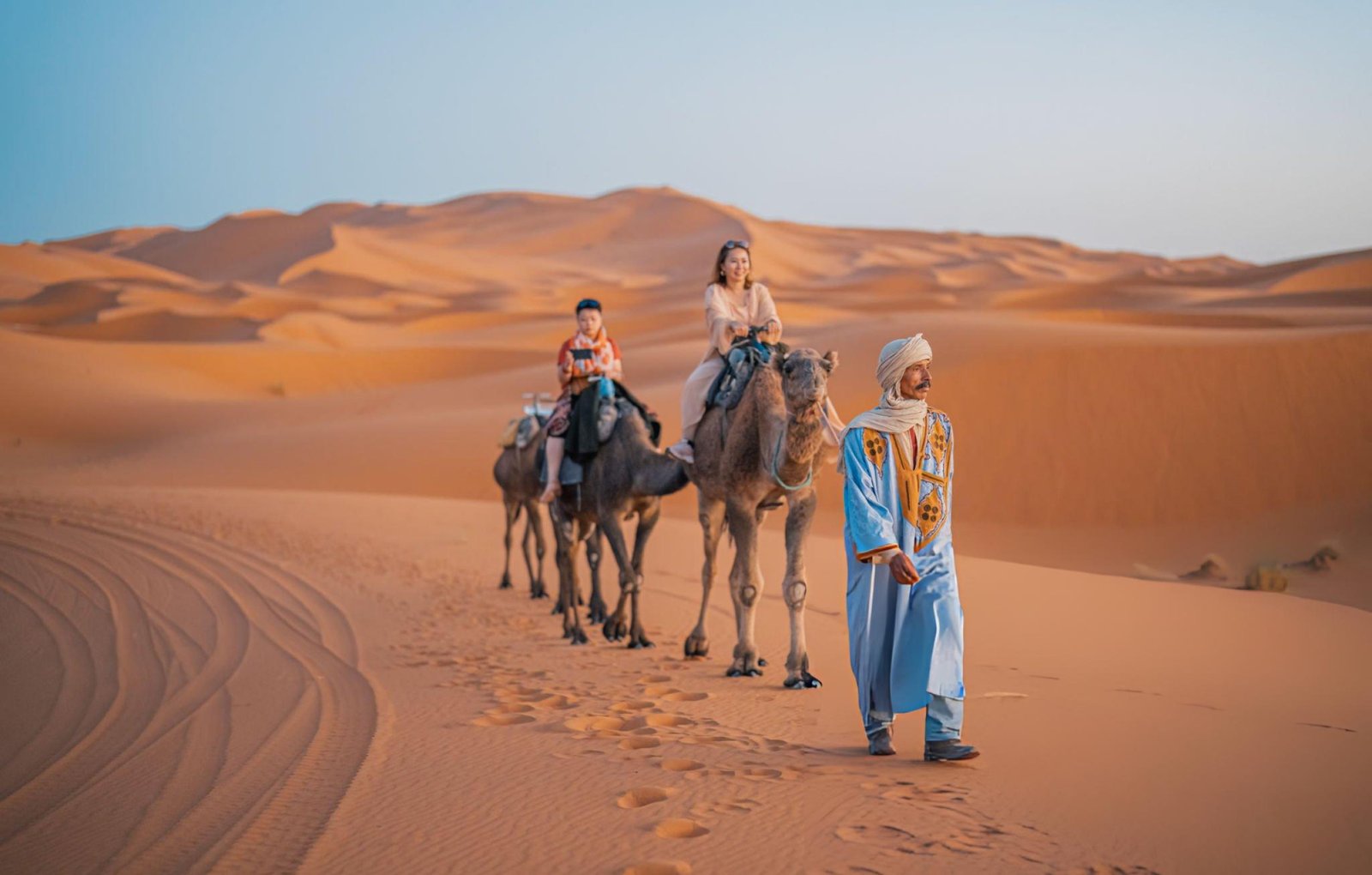
Morocco for Couples: A Romantic Guide to Traveling Together Candlelit courtyards, rooftop dinners above the medina, a private camp in the dunes with nothing but stars overhead. Morocco has a way of turning ordinary moments into lasting memories, which is why it has become one of the most popular destinations for honeymoons, anniversaries and romantic
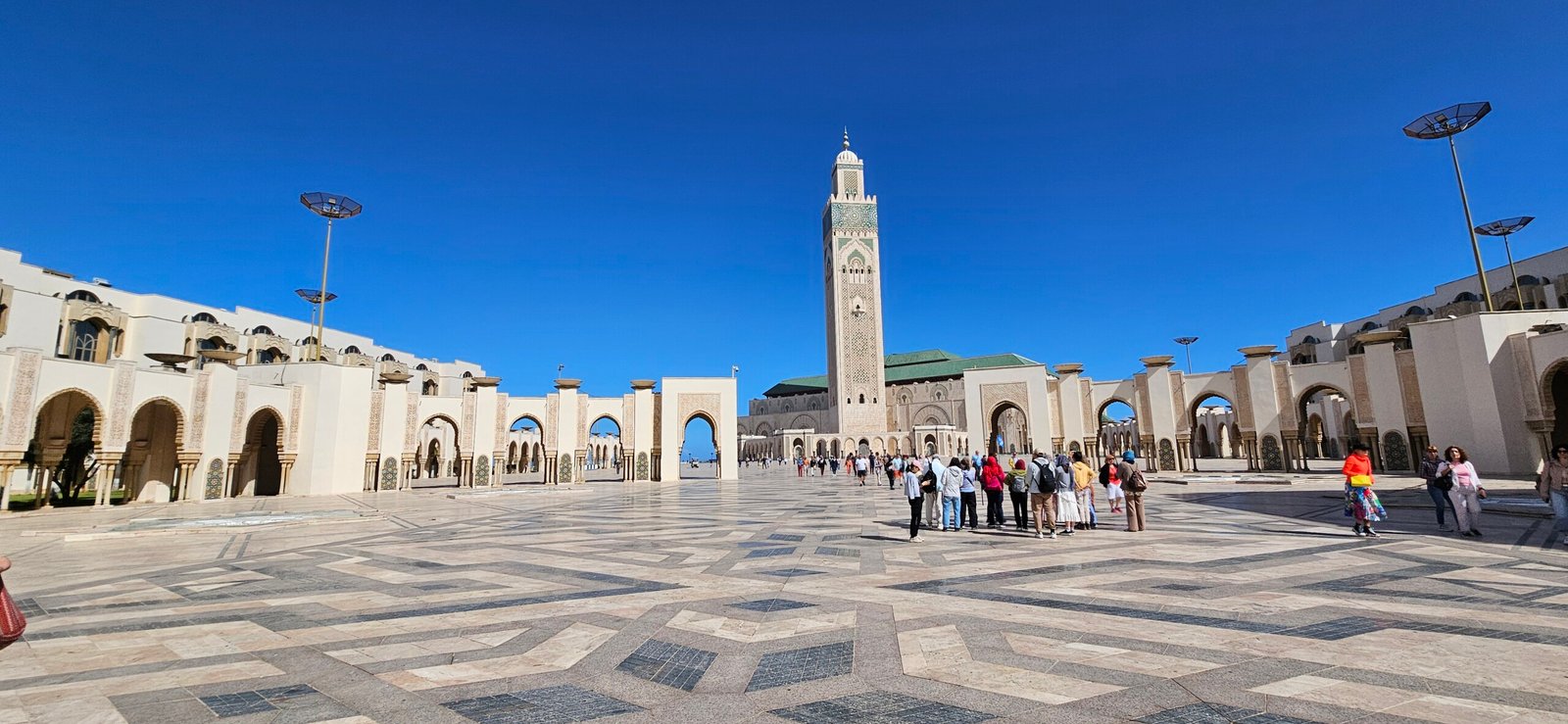
The Perfect 2-Week Morocco Itinerary from Casablanca Two weeks is the sweet spot for Morocco. It’s long enough to see the four imperial cities, spend a night in the Sahara, cross the High Atlas and finish with the sea breeze in Essaouira, without rushing from one hotel to the next. Casablanca is the natural starting
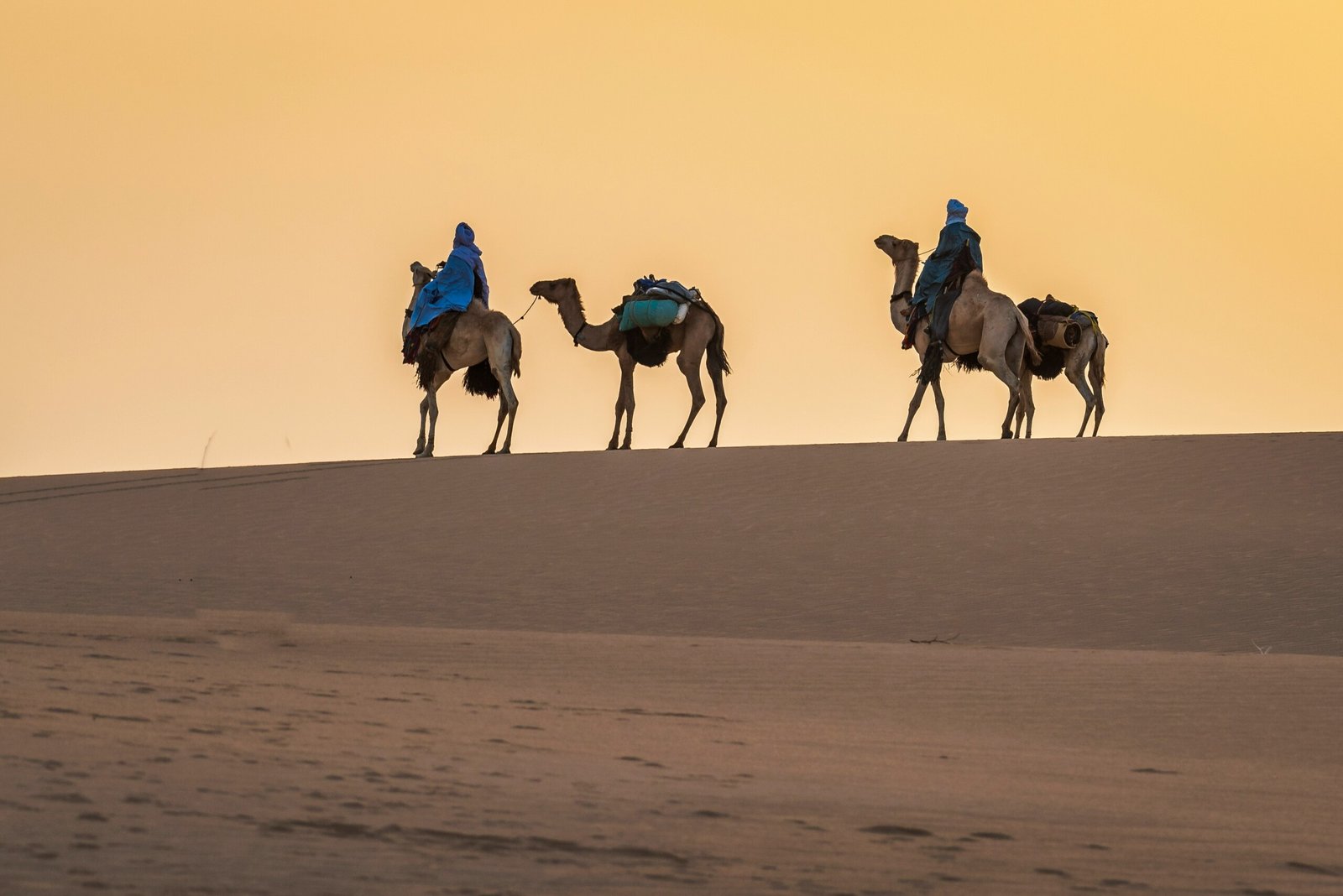
Marrakech to Merzouga in 3 Days: What to Expect on Your Sahara Desert Tour For many travelers, the Sahara is the reason they come to Morocco. The golden dunes of Erg Chebbi near Merzouga are one of the most memorable sights in the country, and the most popular way to reach them is a 3-day